
Needs analysis
The first step in developing a custom hydraulic system is a thorough analysis of the client’s needs. At this stage, it is essential to understand the purpose of the system, the expected operating loads, and the environmental conditions. For example, whether the system will operate under heavy loads or whether highly precise control is required. Based on these factors, the key system parameters can be defined, such as operating pressure, flow rates, temperature range, and others.
Design
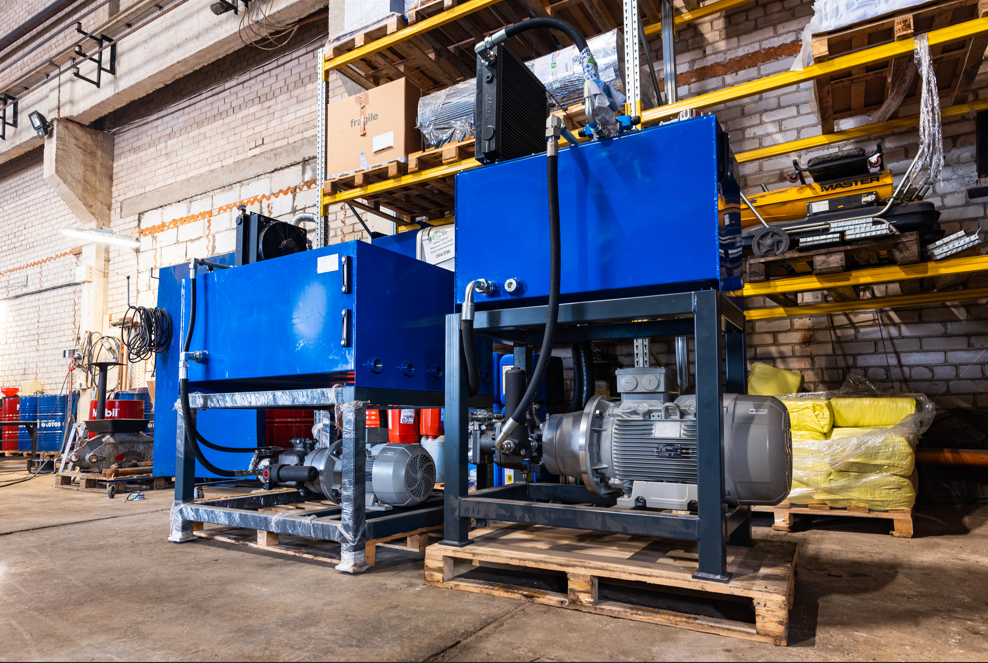
When designing a hydraulic system, it is essential to ensure optimal performance, safety, and energy efficiency. This process includes steps such as creating the system schematic, selecting hydraulic components, and integrating them into a cohesive design.
An important aspect of the design phase is selecting an appropriate hydraulic oil management system. This helps reduce friction, ensure smooth system operation, and protect against corrosion and contamination. In addition, the system must be designed to respond effectively to potential disturbances, such as pressure surges or oil overheating.
Component Selection
Each hydraulic system’s performance depends on properly selected components.
This includes pumps, cylinders, valves, filters, reservoirs, and pipelines. The criteria for selecting components include their efficiency, reliability, compatibility, and operational characteristics. For example, high-performance pumps are required in systems operating under intensive use, while valves with precise control functions allow for better process regulation.
In addition, it is important to consider environmental conditions such as temperature, humidity, or corrosion, as these factors can affect component durability. Selecting the right components reduces the likelihood of system failures and lowers maintenance costs.
Installation
The installation stage is crucial for ensuring the system’s efficiency and longevity.
It includes connecting components, proper installation of pipes and hoses, oil filling, and system calibration. During installation, it is essential to follow the manufacturer’s instructions and technical standards to ensure safety and proper operation.
Particular attention is given to pipeline cleanliness, as even the smallest particles of contamination can cause system malfunctions. After installation, the system is tested to verify that there are no leaks, that all components operate correctly, and that the specified parameters are achieved.
Testing
After installation, it is important to carry out comprehensive system testing, including load tests and durability checks. This helps identify potential issues and ensures that the system meets its design objectives. In addition, a maintenance plan should be prepared, outlining procedures for oil changes, filter cleaning, and inspection of other components.
Regular maintenance and condition monitoring help reduce the likelihood of failures and extend the system’s service life.