
Needs analysis and design
Before starting the assembly of a hydraulic power unit or mini power pack, it is essential to carry out a thorough analysis of the customer’s requirements. At this stage, it is important to define the key equipment parameters, such as the required pressure, flow rate, operating environment conditions, and available power supply options.
Based on this analysis, a hydraulic schematic is designed that illustrates the layout and interaction of all system components. This helps prevent errors during the assembly stage and ensures smooth system operation. During the design process, energy efficiency and potential load conditions are also taken into account to ensure optimal selection of all components.
Component selection
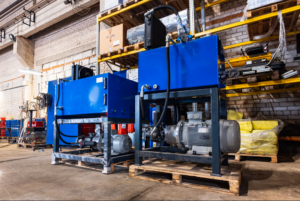
The most critical stage of system assembly is the selection of suitable components. Hydraulic power units and mini power packs typically consist of components such as pumps, accumulators, filters, valves, oil reservoirs/tanks, cooling systems, and control equipment.
Pumps: These are the core elements of the system, responsible for oil circulation. When selecting a pump, it is important to consider the required flow rate, pressure range, and operating conditions.
Valves: Valves control oil flow and pressure. Proper valve selection allows precise control of system processes.
Filters: Filters ensure system cleanliness by removing solid particles and preventing premature wear of components.
Oil reservoirs / tanks: It is important to select a reservoir of appropriate size to ensure sufficient oil volume and effective cooling performance.
In addition, component compatibility is a key factor in ensuring smooth, reliable, and efficient system operation.
Assembly and integration
When assembling hydraulic power units or mini power packs, all components must be installed strictly in accordance with technical drawings. The installation of piping and hoses is particularly critical, as improperly assembled connections can lead to leaks or systemic operational failures.
Testing
After assembly, comprehensive testing of the hydraulic power unit or mini power pack is carried out. This includes:
- Leak testing to verify system tightness.
- Operating pressure and flow rate measurements to ensure that all components meet the specified parameters.
- Functional testing to confirm that all control functions operate correctly.
This stage allows potential issues to be identified and corrected before the system is delivered to the customer.
Maintenance planning
A properly designed and assembled hydraulic power unit or mini power pack requires ongoing maintenance. This includes filter replacement, monitoring of oil quality, and regular technical inspections. Well-planned maintenance ensures long service life and efficient system operation.
The assembly of hydraulic power units and mini power packs is a complex process that requires technical expertise, precision, and attention to detail. High-quality assembly ensures long-term equipment performance, energy efficiency, and reduced operating costs. Proper analysis, design, component selection, assembly, and testing are the key factors that determine the successful operation of this equipment.